
Politics
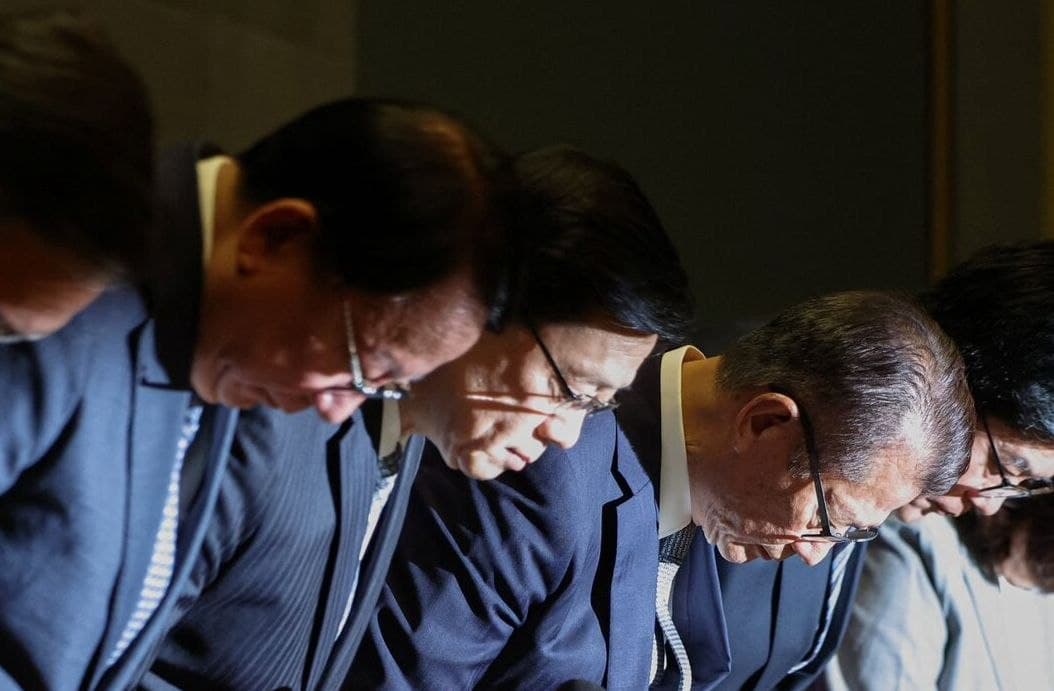
Hong Kong Leader Publicly Apologizes Over 2025 Fatal Building Fire
Hong Kong's leader apologized for a fatal fire that killed 168 people, announced a housing secretary resignation, and promised major reforms.
The latest reporting, context, and analysis from across the Globdot newsroom.
Hong Kong's leader apologized for a fatal fire that killed 168 people, announced a housing secretary resignation, and promised major reforms.
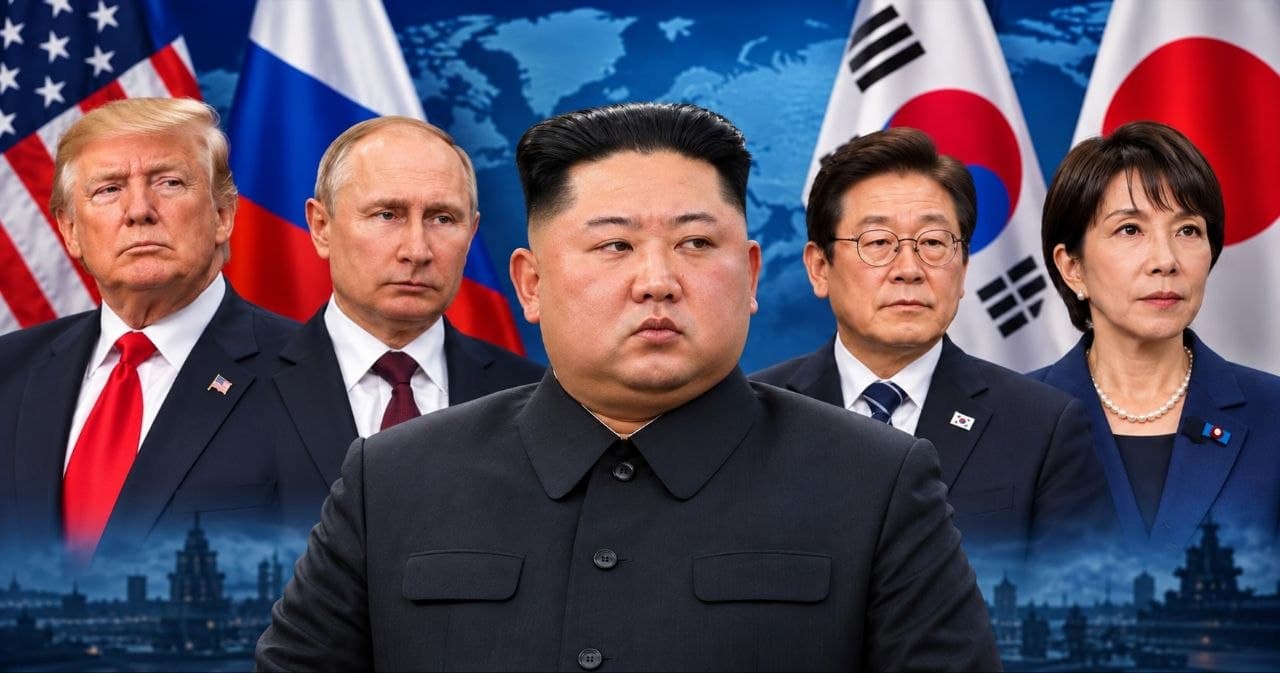
With bolstered economic ties, arms sales, and new leverage from Ukraine, Kim Jong Un faces no pressure to negotiate.
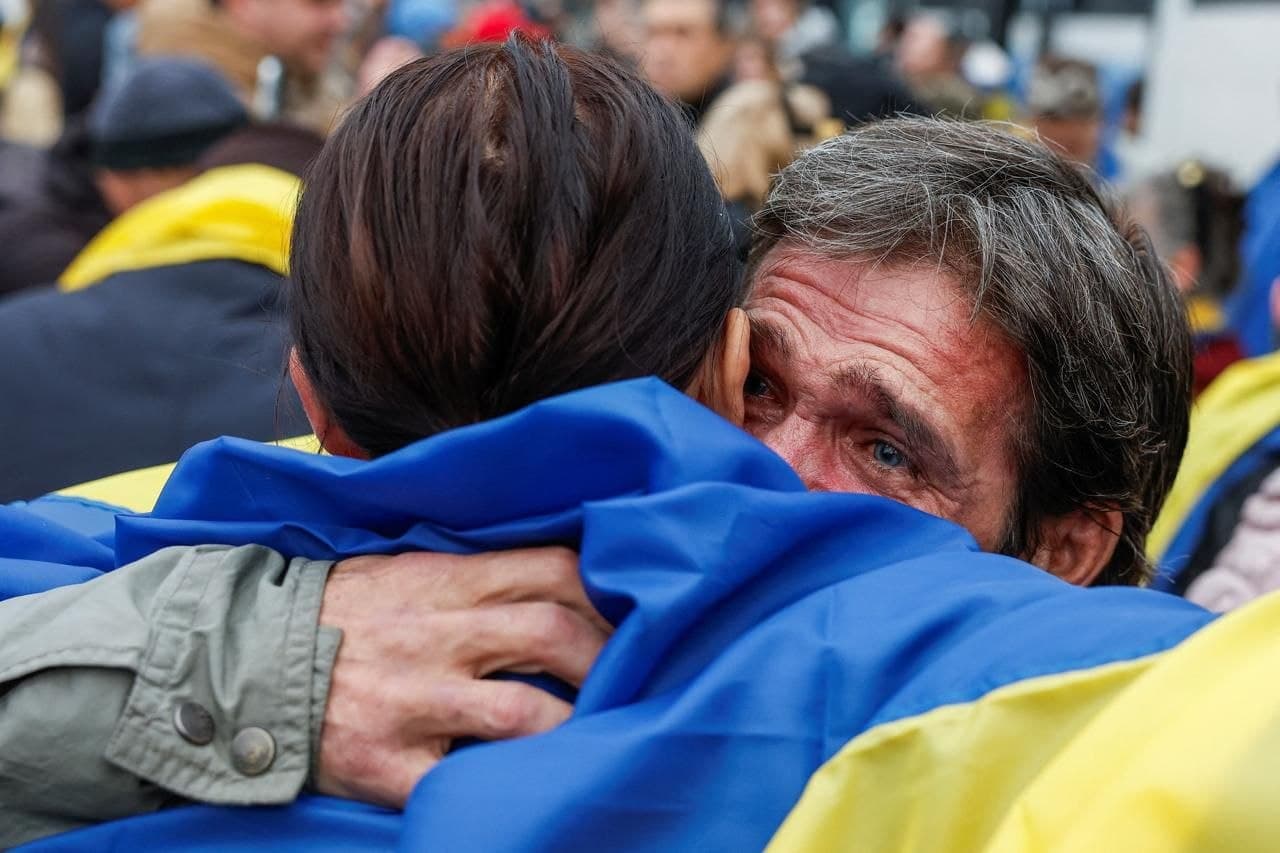
Residents leave the Russian-controlled city under a six-day humanitarian pause after enduring severe food shortages.
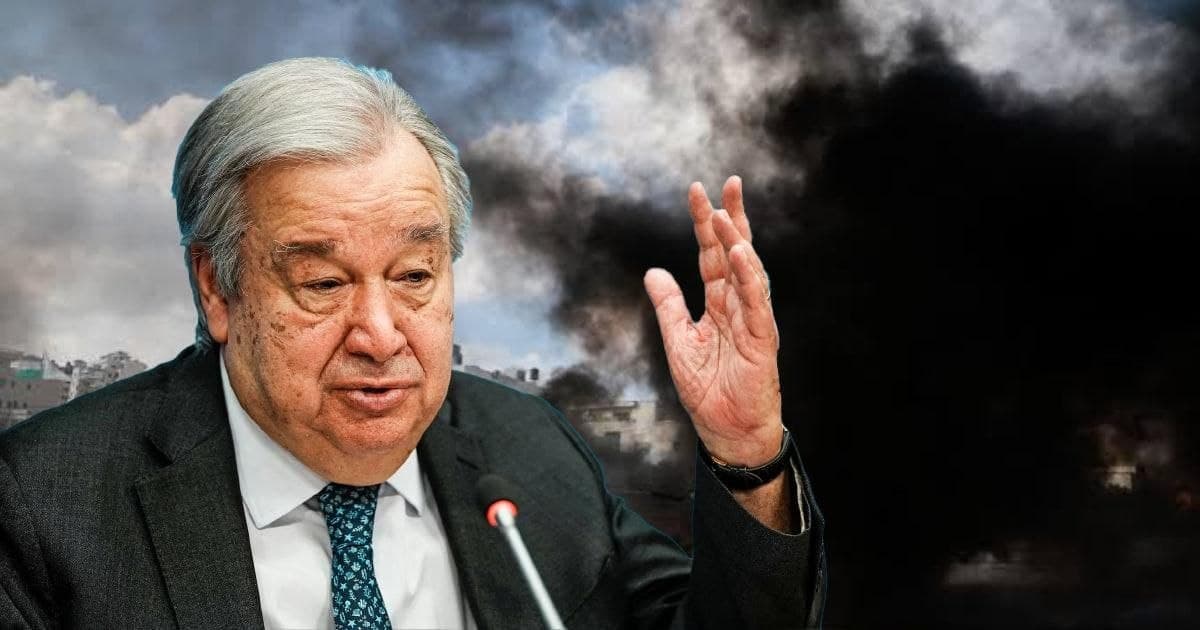
A UN inquiry reveals Russia's intentional strikes on Ukraine's energy systems are war crimes designed to inflict winter suffering.
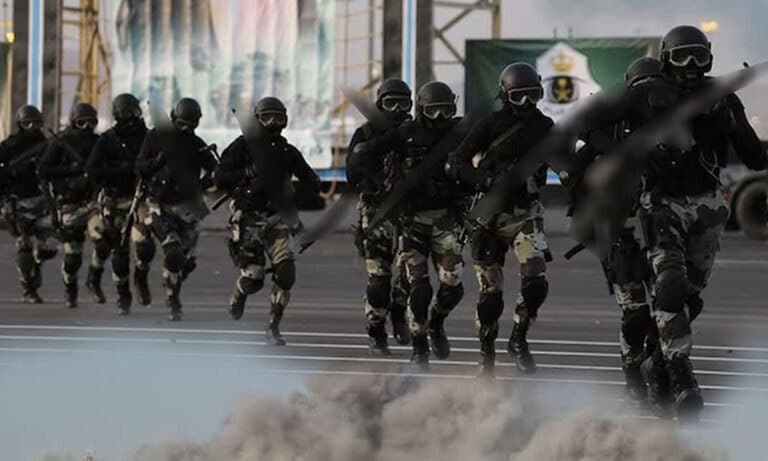
Global data shows Egypt leads the Arab world and Africa in military strength, balancing diverse weapon sources with severe logistical challenges.

A computer system crash and human error caused a fatal high-speed train collision in Spain, killing 68 people and injuring passengers.
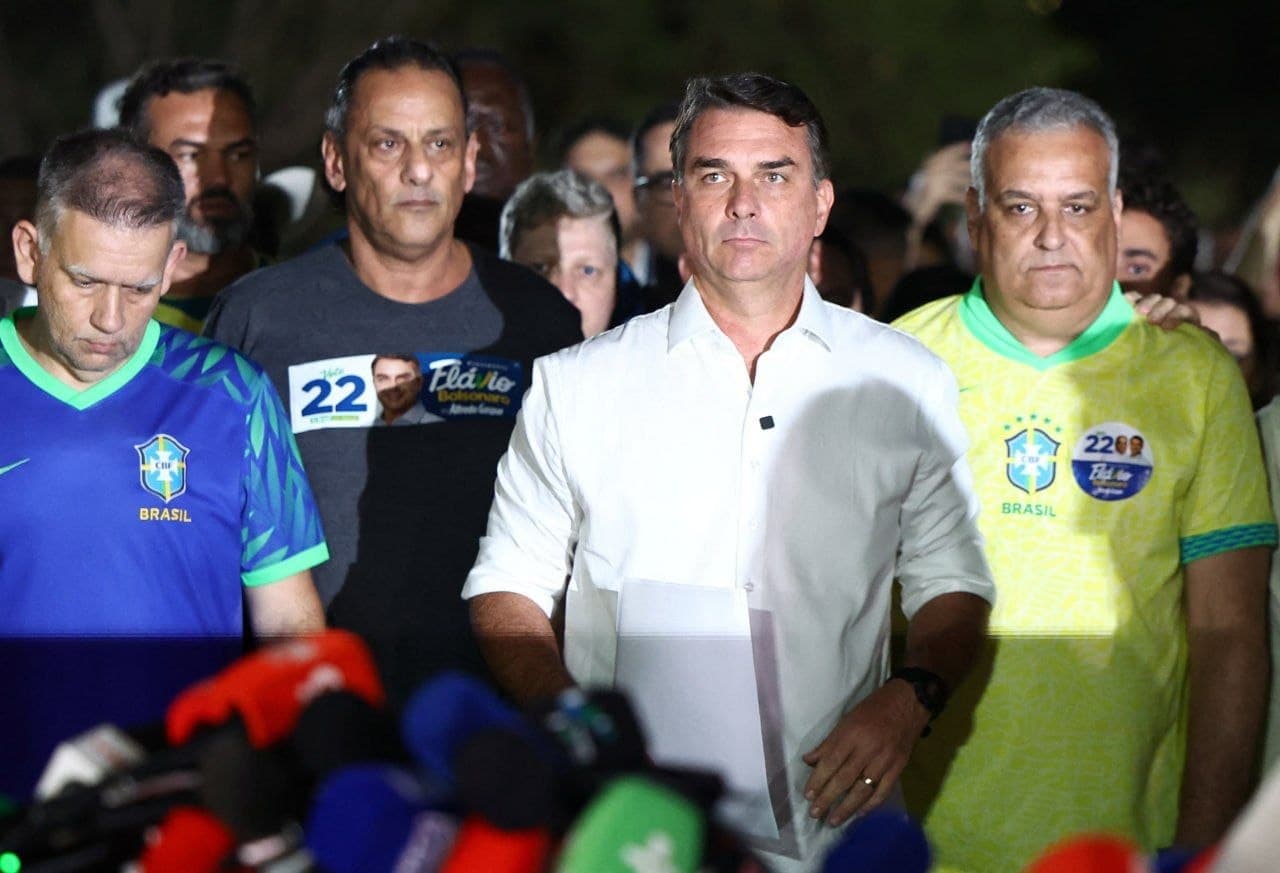
Brazilian Senator Flávio Bolsonaro flies to Florida as allies prepare an asylum request following his election defeat and a passport revocation.
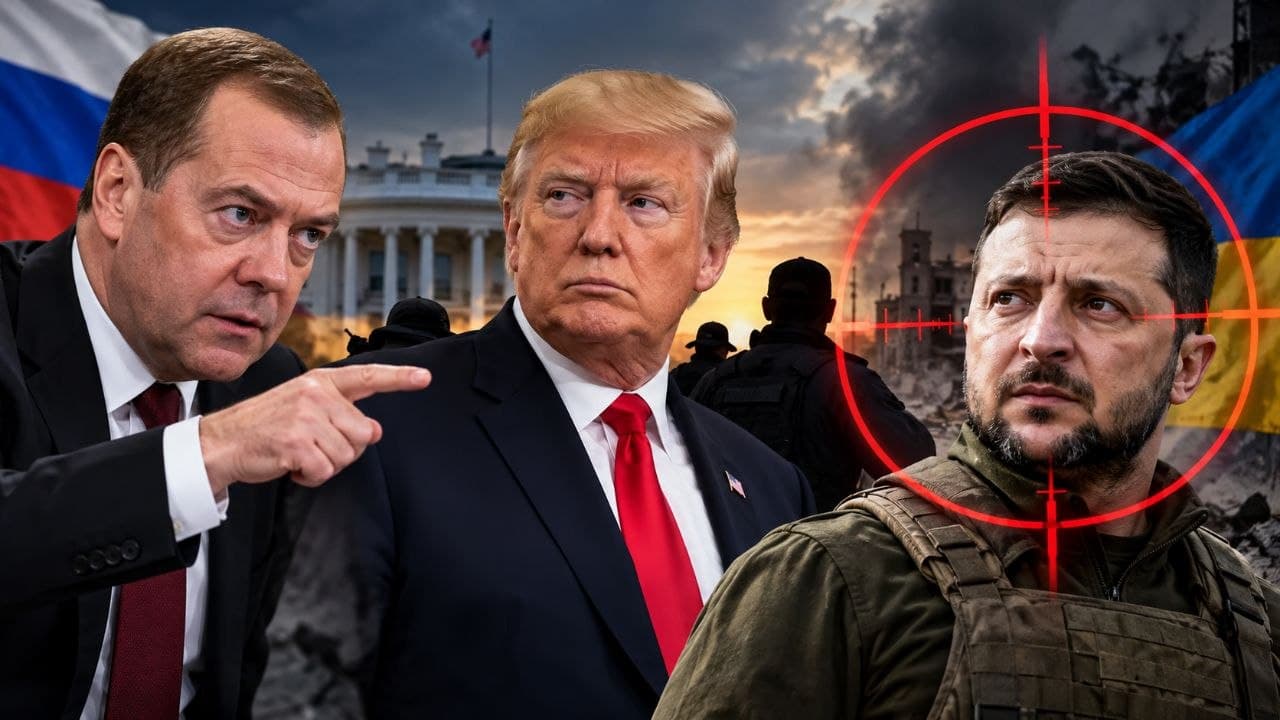
Former Russian leader Dmitry Medvedev claims the Ukrainian president harms U.S. interests and suggests Donald Trump order his assassination.
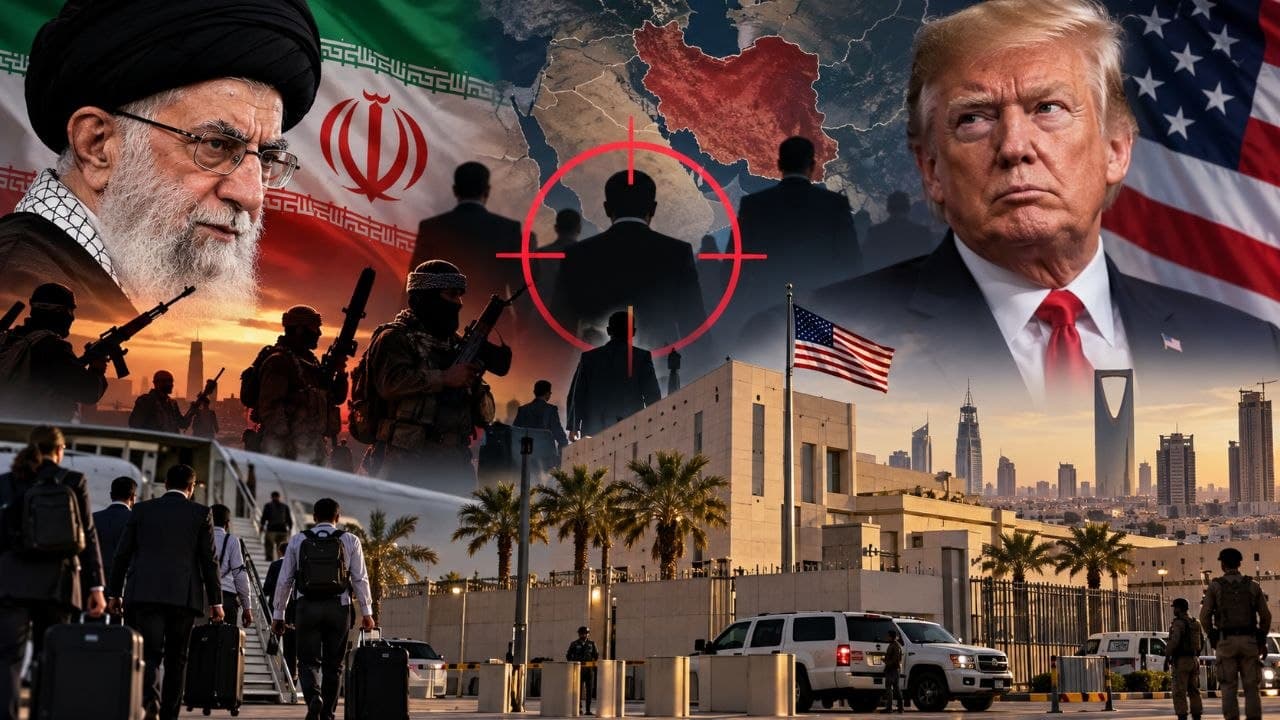
A senior U.S. intelligence official warns that Iranian assassination plots against American citizens have reached an advanced stage.
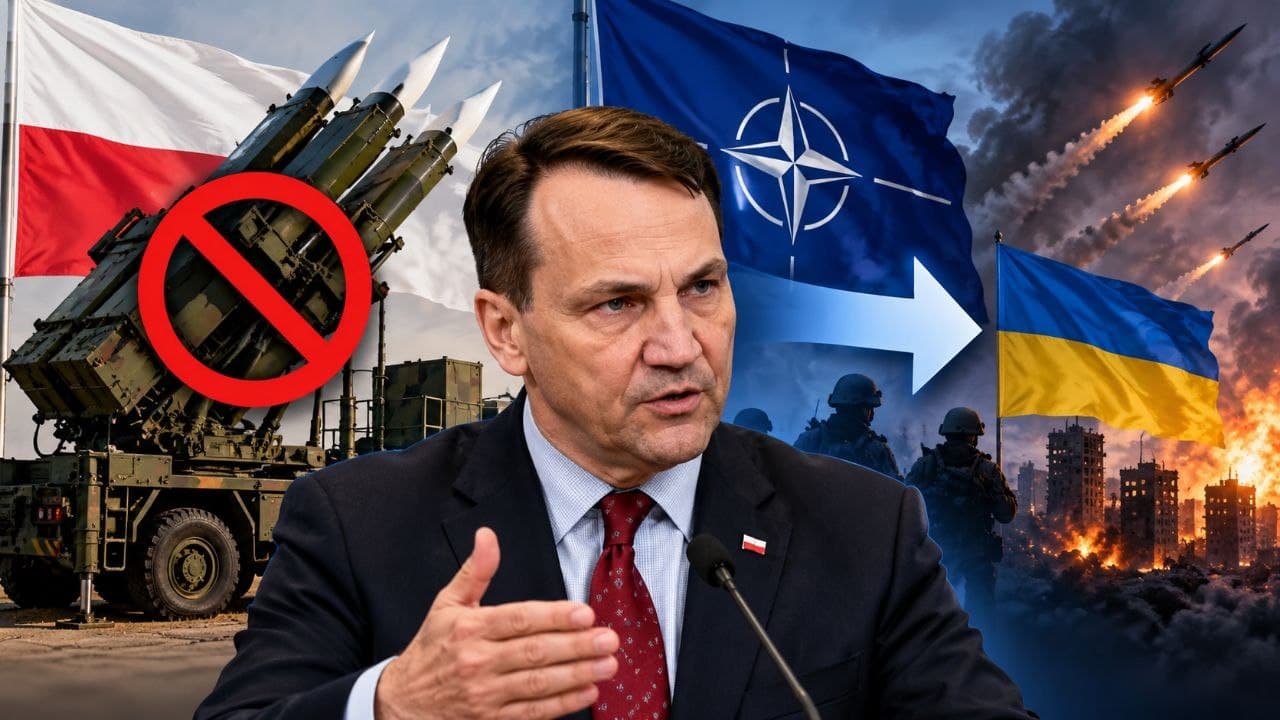
Polish Foreign Minister Radosław Sikorski says Warsaw cannot provide Patriot interceptor missiles to Ukraine due to a lack of resources.
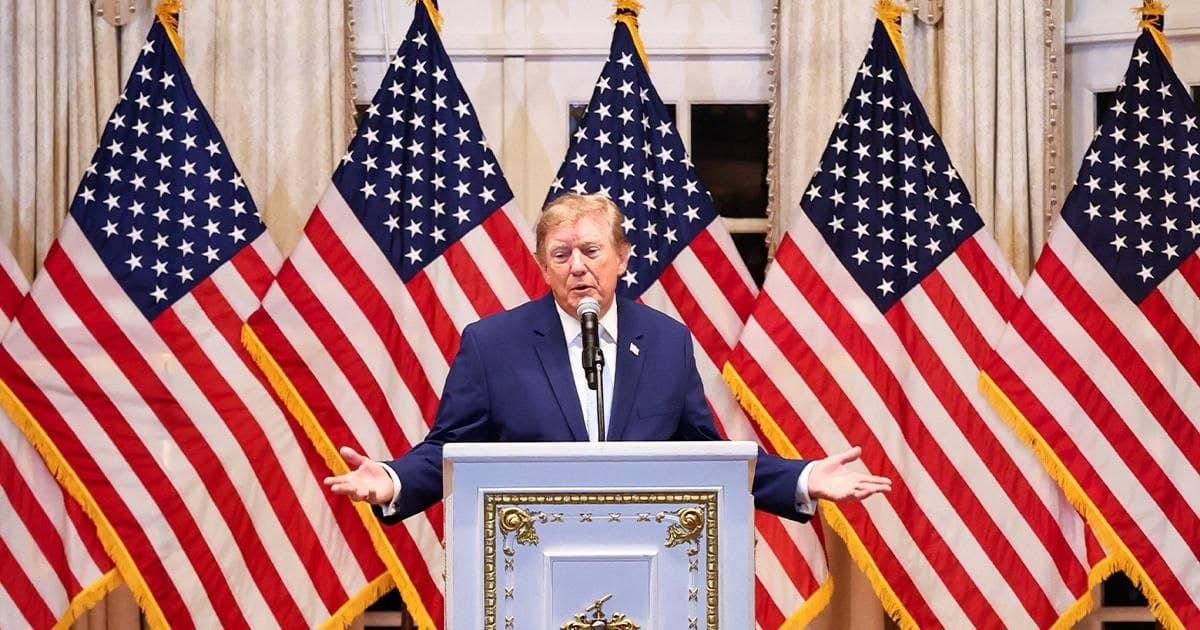
U.S. President Donald Trump says a strike on Iran's fortified Pickaxe mountain site may be needed to prevent Tehran from acquiring nuclear weapons.
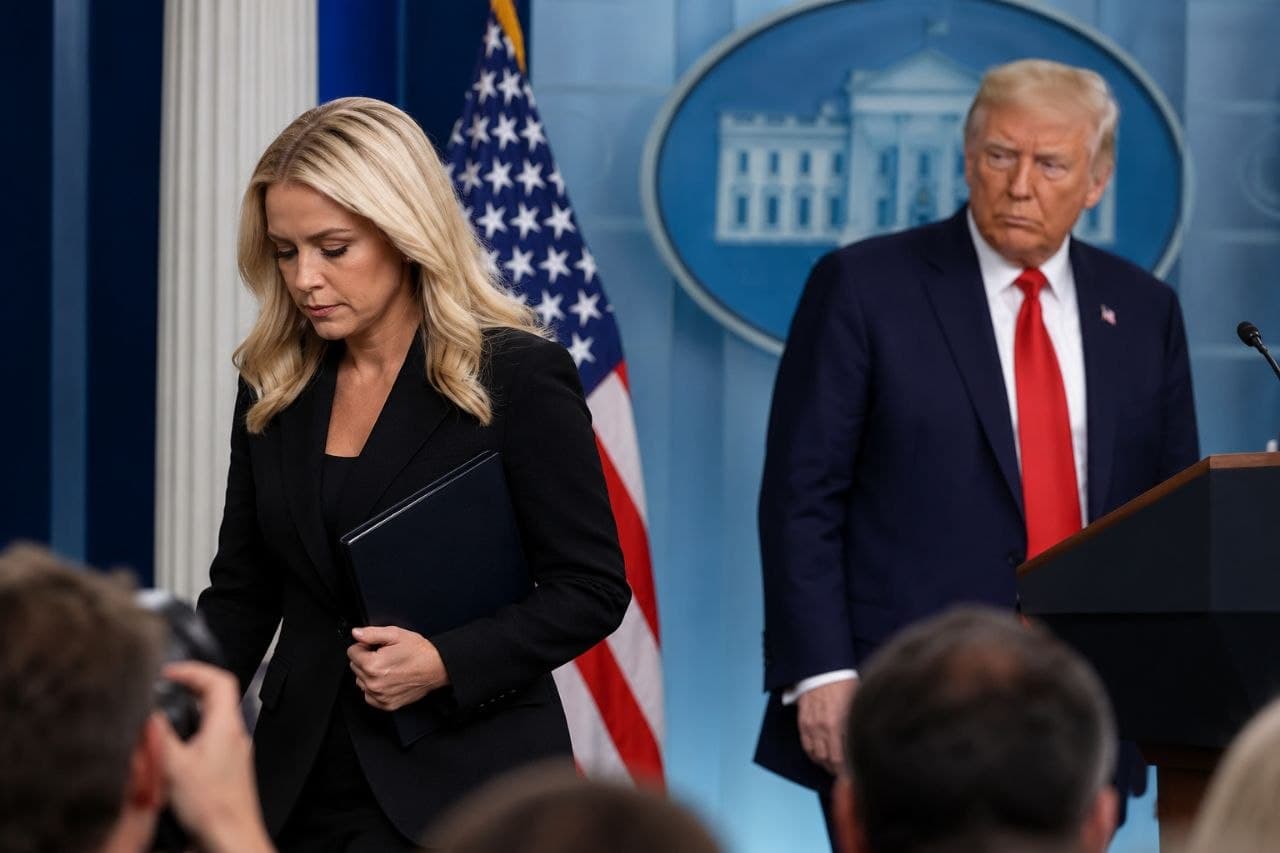
The White House press secretary steps down following credential scrutiny and a brief, tumultuous five-day tenure.

British PM Andy Burnham seeks to repair strained US-Ukraine relations while accelerating military aid to Kyiv as Washington lifts Russian diesel sanctions.
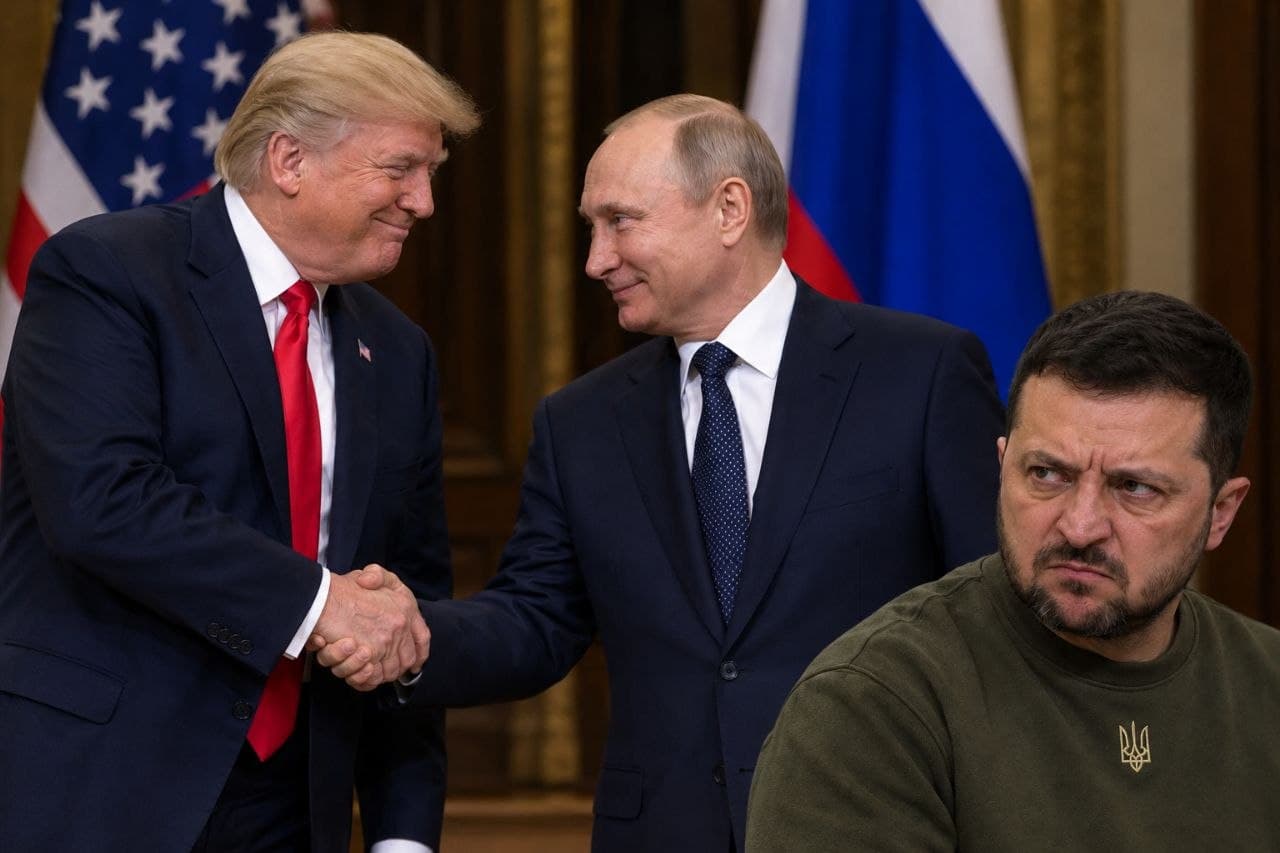
Ukrainian President Volodymyr Zelenskyy says he feels betrayed by a US-Russia diesel deal amid rising tensions and impending US midterms.

Global media highlights four potential contenders who could challenge Volodymyr Zelenskyy if wartime elections take place.

Kimberly Guilfoyle exits her diplomatic post after reports of workplace ethics violations and a financial scandal.

The U.S. Supreme Court has rejected a Republican emergency request to block the counting of mail-in ballots lacking handwritten dates in Pennsylvania.
A cross-aisle group of United States senators has reached agreement on the most comprehensive campaign finance legislation in two decades, mandating 48-hour electronic disclosures and targeting opaque political action committees.

The high court evaluated contentious challenges to long-standing administrative deference, weighing whether regulatory agencies retain constitutional authority to interpret ambiguous congressional statutes.

Bipartisan leadership from seven western states approved an unprecedented multi-state infrastructure compact, allocating $12 billion toward integrated reservoir management, pipeline relining, and brackish desalination.

European lawmakers voted overwhelmingly to enact landmark regulatory standards imposing strict systemic risk audits on frontier generative models and closing anti-competitive loopholes across digital ecosystems.

The British government secured passage of its ambitious Planning and Infrastructure Bill, dismantling local council vetoes on designated national growth corridors, clean energy projects, and commercial laboratory developments.
French lawmakers narrowly ratified a €40 billion fiscal consolidation package, balancing targeted expenditure cuts across regional administrations with windfall levies on large corporate conglomerates.

Japanese and South Korean foreign ministers concluded landmark bilateral consultations in Tokyo, formalizing reciprocal semiconductor material guarantees and establishing an automated maritime intelligence link.

India's Lok Sabha passed comprehensive legislation unifying twelve major port authorities under a modernized commercial framework, allocating $9 billion for automated container terminals and direct rail links.

Heads of state across the six GCC member nations ratified an expansive common market agreement, establishing full regulatory reciprocity for financial services and harmonizing digital trade customs.

Diplomatic representatives from twelve coastal nations across the Red Sea and Gulf of Aden gathered in Cairo to establish a permanent multilateral forum safeguarding maritime navigation and ecological habitats.

Allied defense ministers agreed to deploy rotational Patriot missile battalions and high-altitude sensor grids along the Suwalki corridor and eastern borders to counter drone incursions.
Eighteen European Union member states have pooled capital through the European Defense Industry Program, signing multi-year contracts for 155mm precision munitions and autonomous sensor swarms.
Air forces from Sweden, Finland, Norway, and Denmark successfully integrated their fighter wings into a unified command structure, coordinating 250 advanced combat aircraft under single tactical control.

International naval forces operating under Operation Prosperity Guardian intensified convoy protection through the Bab el-Mandeb strait, deploying autonomous surface vessels and electronic interceptors.

Negotiators from Qatar, Egypt, the United States, and regional security officials made substantive progress on an multi-stage ceasefire framework establishing demilitarized humanitarian relief corridors.

The United Nations Disengagement Observer Force increased motorized patrols and installed advanced seismic perimeter sensors along the 1974 disengagement line to prevent cross-border escalations.
Senior intelligence and diplomatic officials from rival regional powers held unpublicized proximity talks in Muscat, exploring technical protocols to prevent accidental naval clashes in the Persian Gulf.

Philippine maritime patrol vessels completed replenishment rotations at Sabina Shoal, maintaining permanent presence despite assertive maneuvering and water-cannon deployments from foreign maritime militia vessels.

Naval forces from the United States, Japan, and South Korea completed five days of complex undersea tracking drills, utilizing P-8A Poseidon patrol craft and nuclear-powered submarines.

United States Southern Command restructured its maritime interdiction doctrine, deploying aerostat radar balloons and high-speed autonomous interceptors to disrupt semi-submersible trafficking vessels in the Caribbean.

Nations are surging capital into decentralized solar-battery microgrids and domestic geothermal power as transit vulnerabilities in international straits threaten conventional fossil fuel shipping routes.

Ministers from Nepal, India, and Bangladesh established a joint seismic and hydrological telemetry network across the Hindu Kush Himalayas to provide automated early warning against catastrophic glacial lake outbursts.

French and European wine federations approved groundbreaking changes to strict appellation rules, authorizing heat-resistant grape varietals and dynamic agroforestry to safeguard centuries of heritage.

Governors of nine Brazilian states joined federal ministers in Brasilia to declare an environmental emergency, allocating $3.5 billion to dredge isolated waterways and preserve hydroelectric reservoir capacity.
Consortium partners from the UK, Netherlands, Germany, and Denmark successfully synchronized the first high-voltage offshore converter platforms, creating an interconnected maritime power corridor.
The European Space Agency and civil protection agencies in Greece, Italy, and Spain deployed a constellation of thermal-infrared microsatellites capable of detecting forest ignitions within three minutes.
Leaders from sixteen Pacific nations presented a draft treaty to the UN General Assembly establishing that exclusive economic zones remain permanently recognized even if coastlines are submerged by sea-level rise.

Cross-border ecological engineers completed the first phase of an ambitious agroforestry corridor, using recycled municipal wastewater and deep-root acacia species to halt advancing sand dunes.

Water utilities across Saudi Arabia, the UAE, and Oman decommissioned legacy thermal distillation plants, transitioning to solar-coupled seawater reverse osmosis to slash emissions and coastal salinity discharge.

Bipartisan governors from eight US states and two Canadian premiers ratified landmark hydrological standards, requiring municipal wastewater facilities to install sub-micron acoustic filtration grids.

Leading artificial intelligence labs and independent safety researchers clashed over proposed statutory safety pauses and mandatory cryptographic watermark standards for autonomous models.
European regulatory authorities in Brussels commenced formal algorithmic audits, reviewing training data provenance, systemic cybersecurity resilience, and energy consumption metrics across major technology providers.

Bipartisan federal legislation enacted in Washington mandates that tractor and heavy equipment manufacturers provide farmers and independent repair shops with complete software diagnostic keys and calibration tools.

Commercial satellite operators launched upgraded orbital broadband constellations equipped with space-based optical laser terminals, enabling direct inter-satellite routing that bypasses terrestrial ground stations.
Leading robotics developers in Japan, South Korea, and Singapore deployed next-generation bipedal and quadrupedal logistics robots across major manufacturing and port facilities, addressing chronic demographic labor shortages.

A consortium of global telecommunications operators energized the trans-Pacific Bifrost cable system, connecting North America directly to Southeast Asia with 240 terabits per second of high-resilience bandwidth.

Dutch and Japanese precision optical manufacturers formalized updated compliance protocols following multilateral export controls on advanced extreme ultraviolet and immersion lithography machinery.
Administrative agencies across India and Bangladesh deployed open-weight neural translation models, allowing rural citizens to access legal, healthcare, and land title records in twenty-two indigenous languages.

Central banks and major financial exchanges across East Asia completed the first cross-border quantum-encrypted transactions, establishing an unhackable cryptographic shield for interbank settlements.
Global tech giants and sovereign wealth funds signed $14 billion in joint venture agreements in Riyadh and Abu Dhabi, constructing sovereign AI data centers powered by dedicated solar-battery parks.

Space agencies and aerospace firms from thirty nations signed the Paris Orbital Sustainability Accord, creating binding guidelines to deorbit defunct satellites and fund active robotic debris capture missions.

Trade ministers in Ottawa and Washington reached a comprehensive bilateral compromise, eliminating cross-border retaliatory tariffs and establishing reciprocal subsidies for electric vehicle batteries.

Indonesia's National Search and Rescue Agency deployed naval diving units and multi-beam hydrographic vessels across deep trenches in the Flores Sea, intensifying search operations for missing ferry passengers.