
Politics
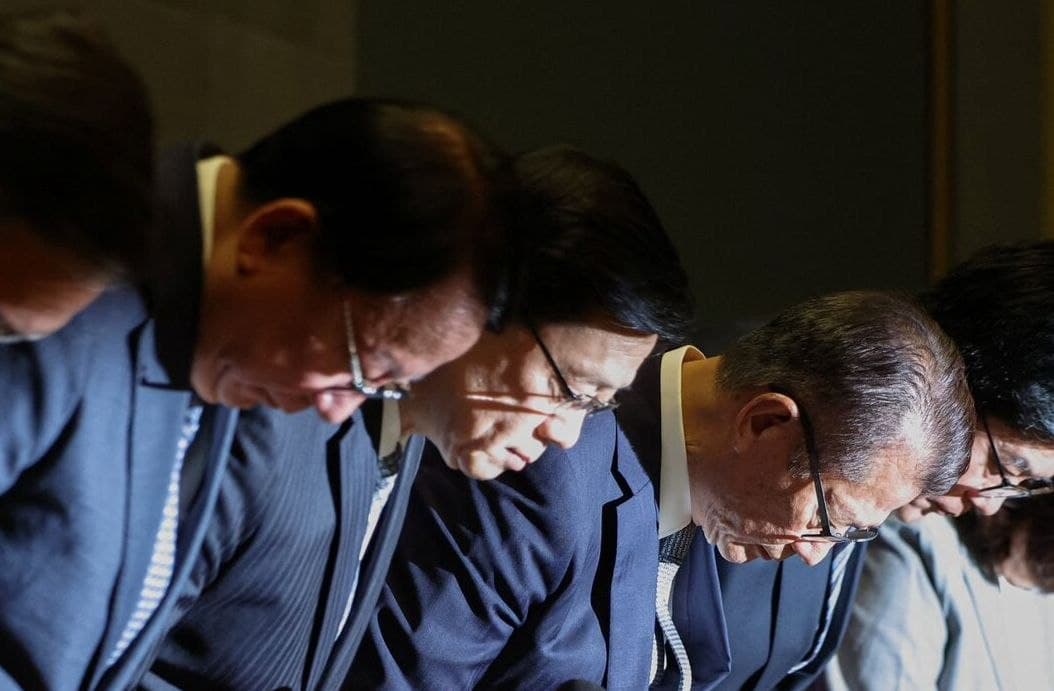
Hong Kong Leader Publicly Apologizes Over 2025 Fatal Building Fire
Hong Kong's leader apologized for a fatal fire that killed 168 people, announced a housing secretary resignation, and promised major reforms.
Elections, diplomacy, governance, and public policy.
Hong Kong's leader apologized for a fatal fire that killed 168 people, announced a housing secretary resignation, and promised major reforms.
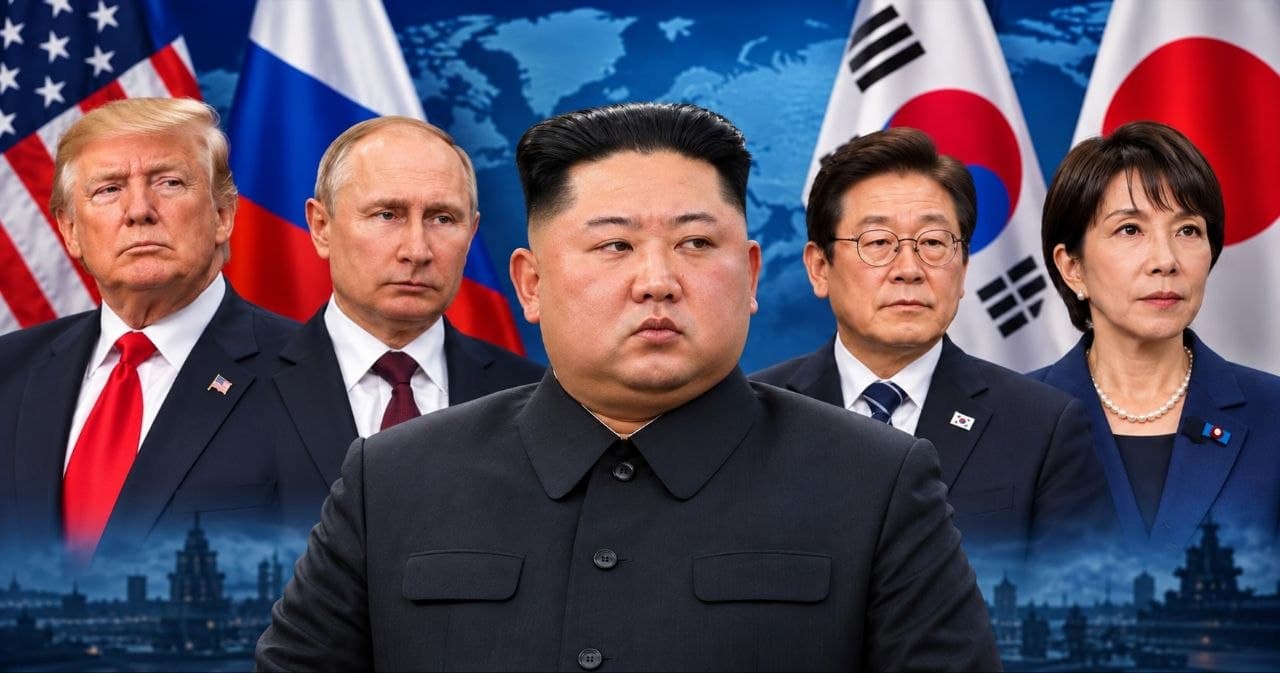
With bolstered economic ties, arms sales, and new leverage from Ukraine, Kim Jong Un faces no pressure to negotiate.
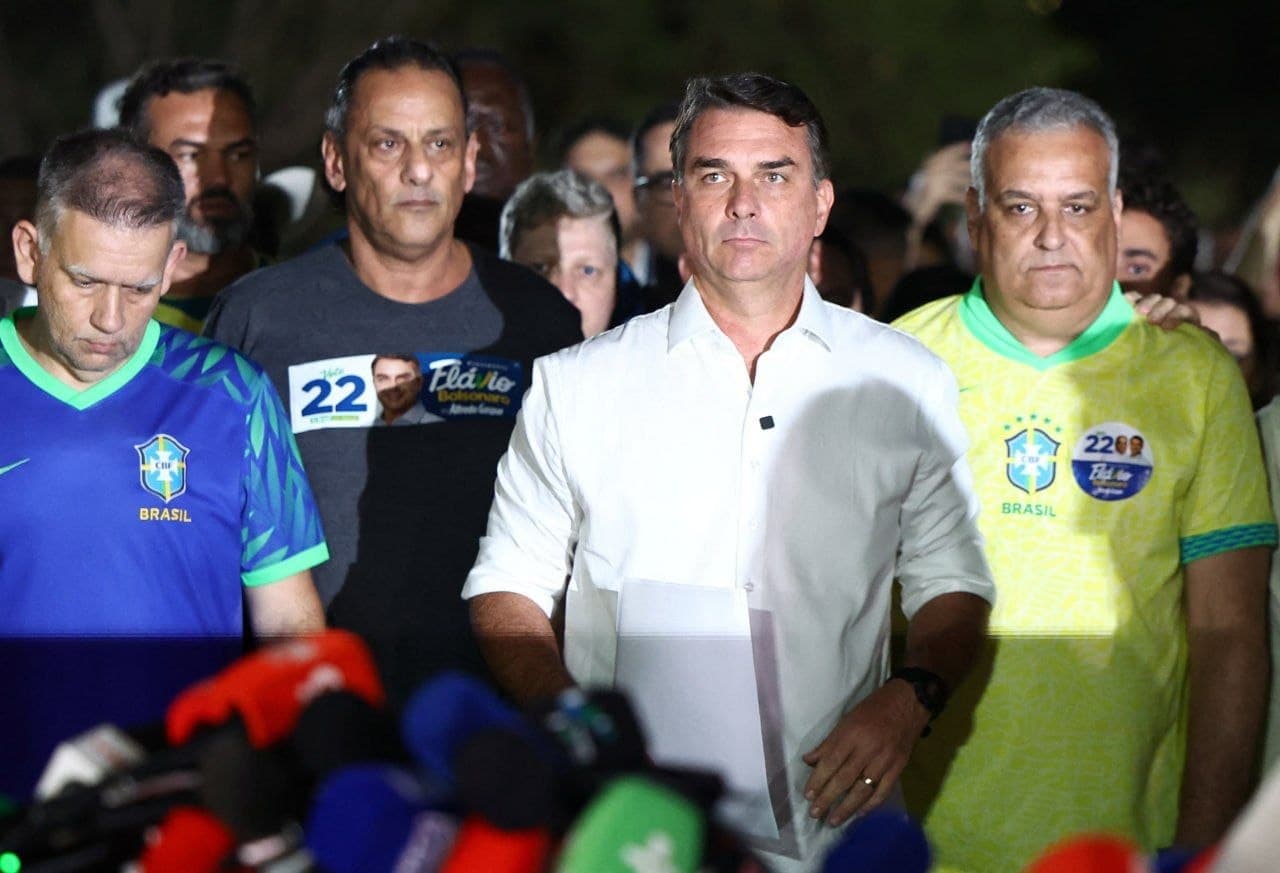
Brazilian Senator Flávio Bolsonaro flies to Florida as allies prepare an asylum request following his election defeat and a passport revocation.
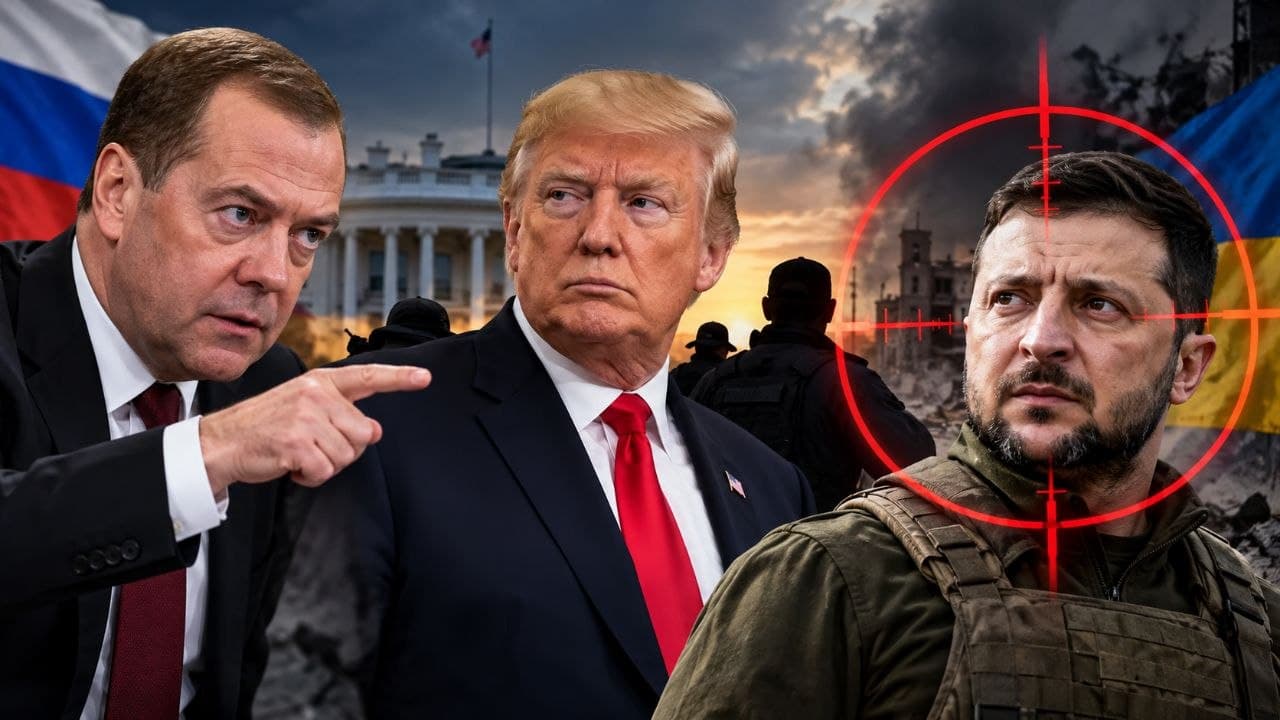
Former Russian leader Dmitry Medvedev claims the Ukrainian president harms U.S. interests and suggests Donald Trump order his assassination.
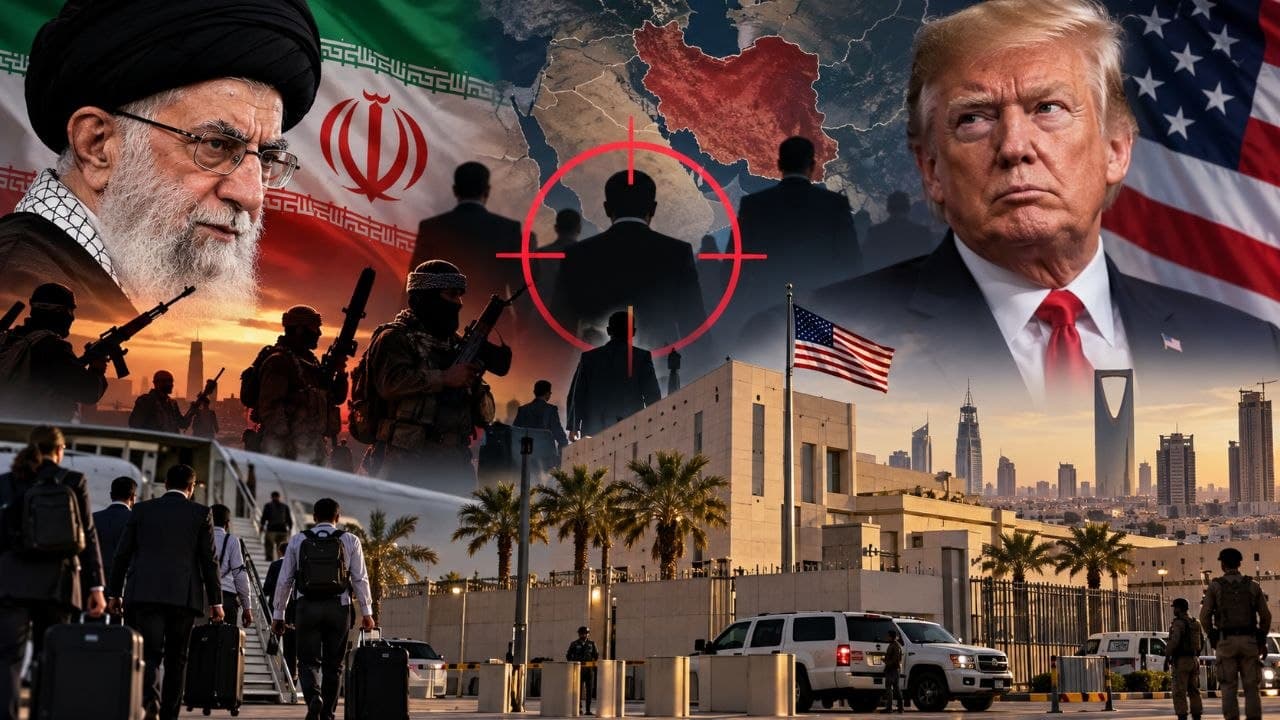
A senior U.S. intelligence official warns that Iranian assassination plots against American citizens have reached an advanced stage.
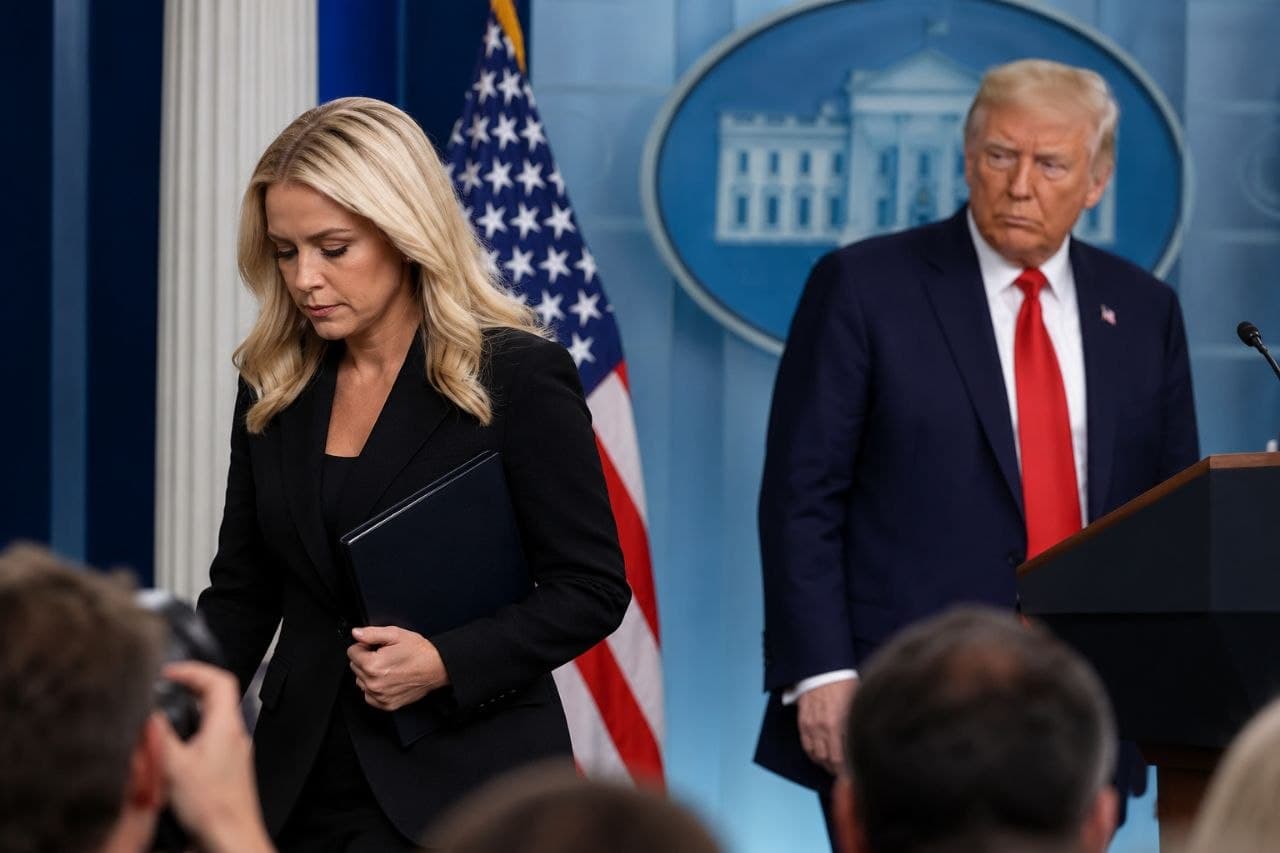
The White House press secretary steps down following credential scrutiny and a brief, tumultuous five-day tenure.
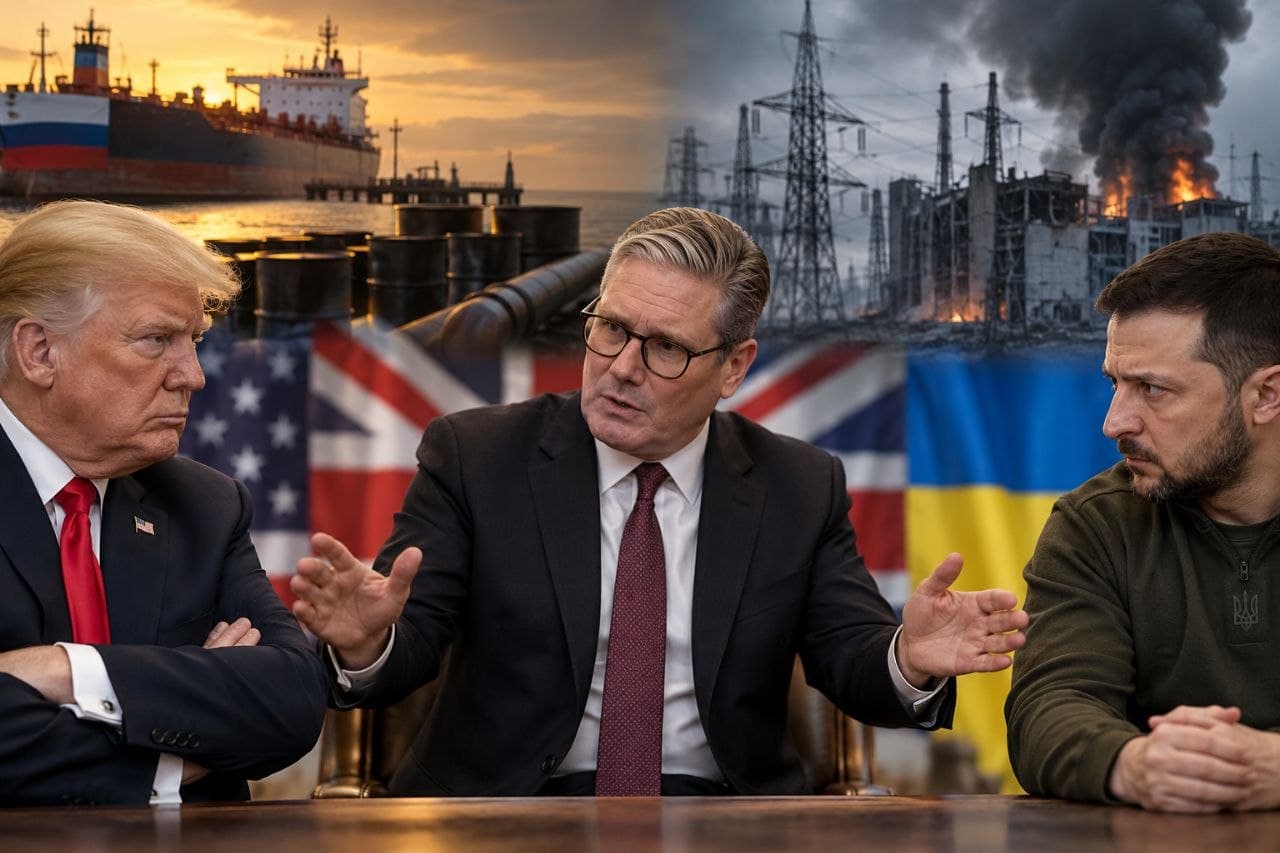
British PM Andy Burnham seeks to repair strained US-Ukraine relations while accelerating military aid to Kyiv as Washington lifts Russian diesel sanctions.
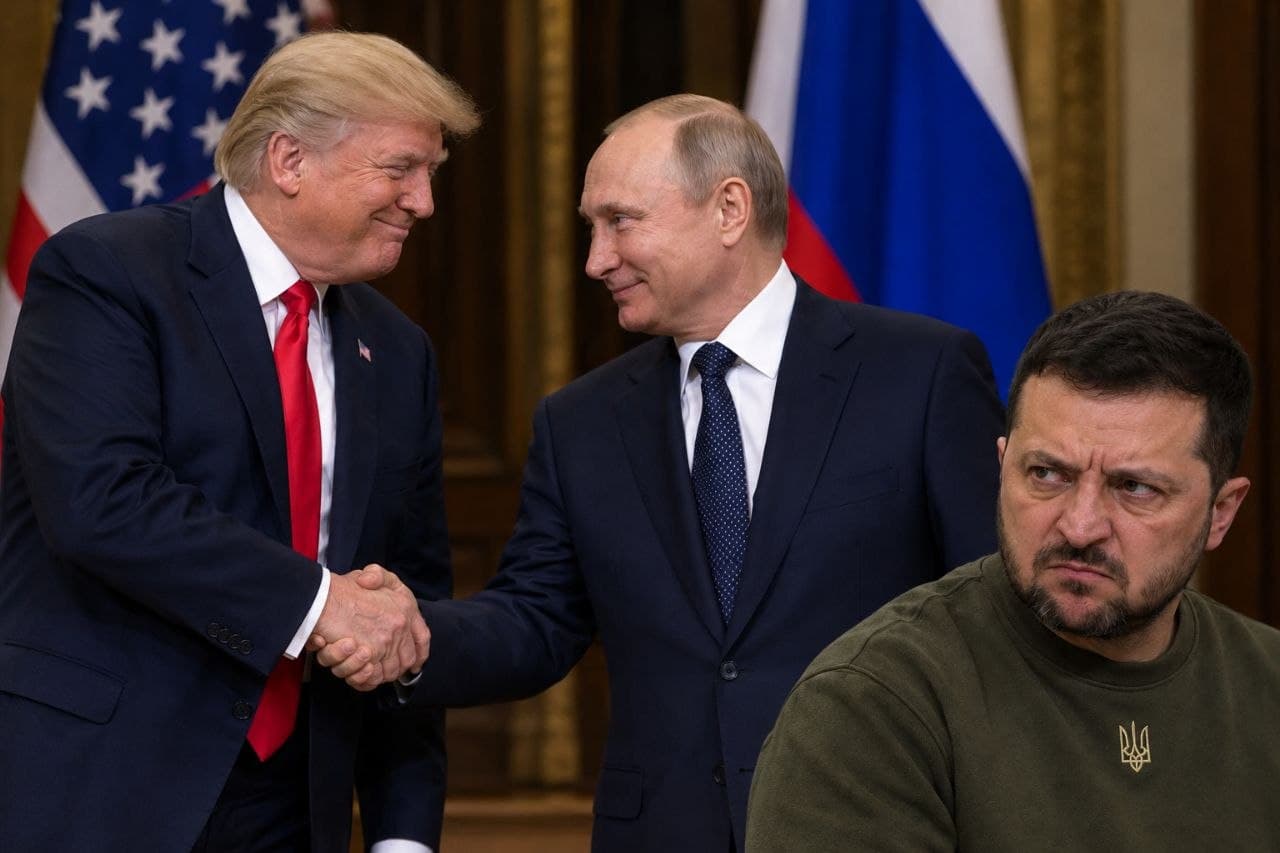
Ukrainian President Volodymyr Zelenskyy says he feels betrayed by a US-Russia diesel deal amid rising tensions and impending US midterms.

Global media highlights four potential contenders who could challenge Volodymyr Zelenskyy if wartime elections take place.

Kimberly Guilfoyle exits her diplomatic post after reports of workplace ethics violations and a financial scandal.
A cross-aisle group of United States senators has reached agreement on the most comprehensive campaign finance legislation in two decades, mandating 48-hour electronic disclosures and targeting opaque political action committees.

The high court evaluated contentious challenges to long-standing administrative deference, weighing whether regulatory agencies retain constitutional authority to interpret ambiguous congressional statutes.

Bipartisan leadership from seven western states approved an unprecedented multi-state infrastructure compact, allocating $12 billion toward integrated reservoir management, pipeline relining, and brackish desalination.

European lawmakers voted overwhelmingly to enact landmark regulatory standards imposing strict systemic risk audits on frontier generative models and closing anti-competitive loopholes across digital ecosystems.

The British government secured passage of its ambitious Planning and Infrastructure Bill, dismantling local council vetoes on designated national growth corridors, clean energy projects, and commercial laboratory developments.
French lawmakers narrowly ratified a €40 billion fiscal consolidation package, balancing targeted expenditure cuts across regional administrations with windfall levies on large corporate conglomerates.

Japanese and South Korean foreign ministers concluded landmark bilateral consultations in Tokyo, formalizing reciprocal semiconductor material guarantees and establishing an automated maritime intelligence link.

India's Lok Sabha passed comprehensive legislation unifying twelve major port authorities under a modernized commercial framework, allocating $9 billion for automated container terminals and direct rail links.

Heads of state across the six GCC member nations ratified an expansive common market agreement, establishing full regulatory reciprocity for financial services and harmonizing digital trade customs.

Diplomatic representatives from twelve coastal nations across the Red Sea and Gulf of Aden gathered in Cairo to establish a permanent multilateral forum safeguarding maritime navigation and ecological habitats.