
Politics
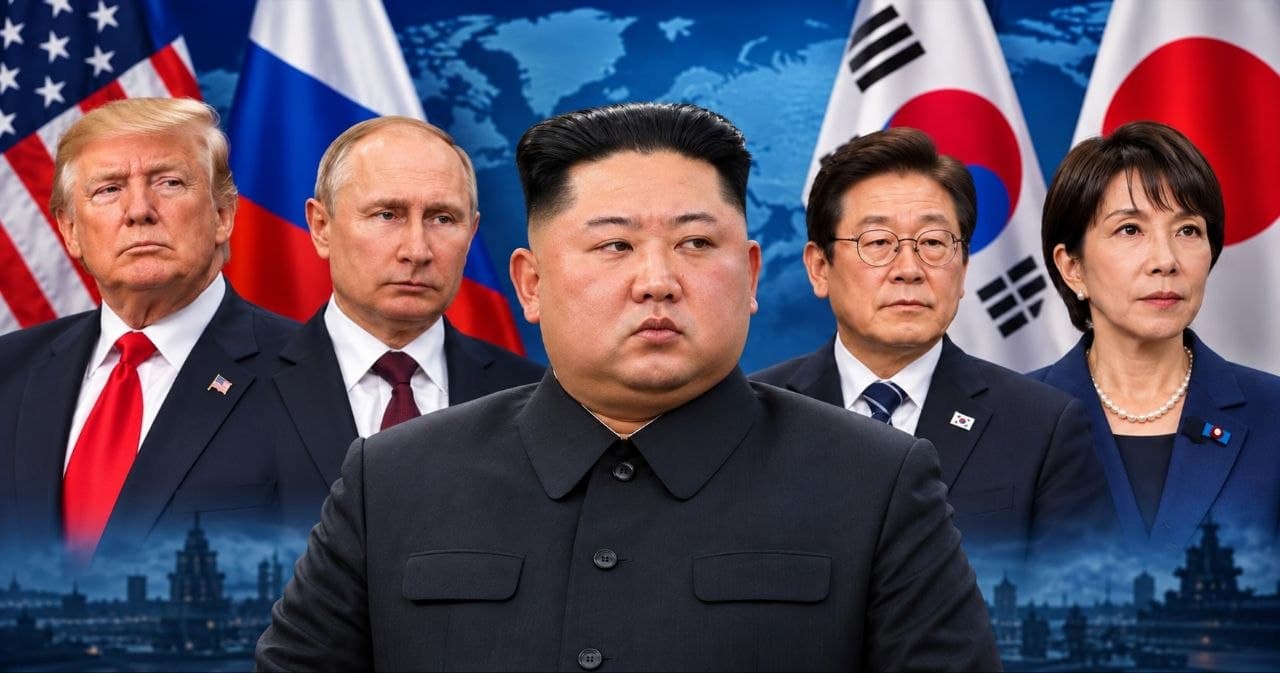
International Analysis: Why Does Everyone Want to Meet Kim Jong Un?
With bolstered economic ties, arms sales, and new leverage from Ukraine, Kim Jong Un faces no pressure to negotiate.
Dispatches and analysis from Europe.
With bolstered economic ties, arms sales, and new leverage from Ukraine, Kim Jong Un faces no pressure to negotiate.

Residents leave the Russian-controlled city under a six-day humanitarian pause after enduring severe food shortages.
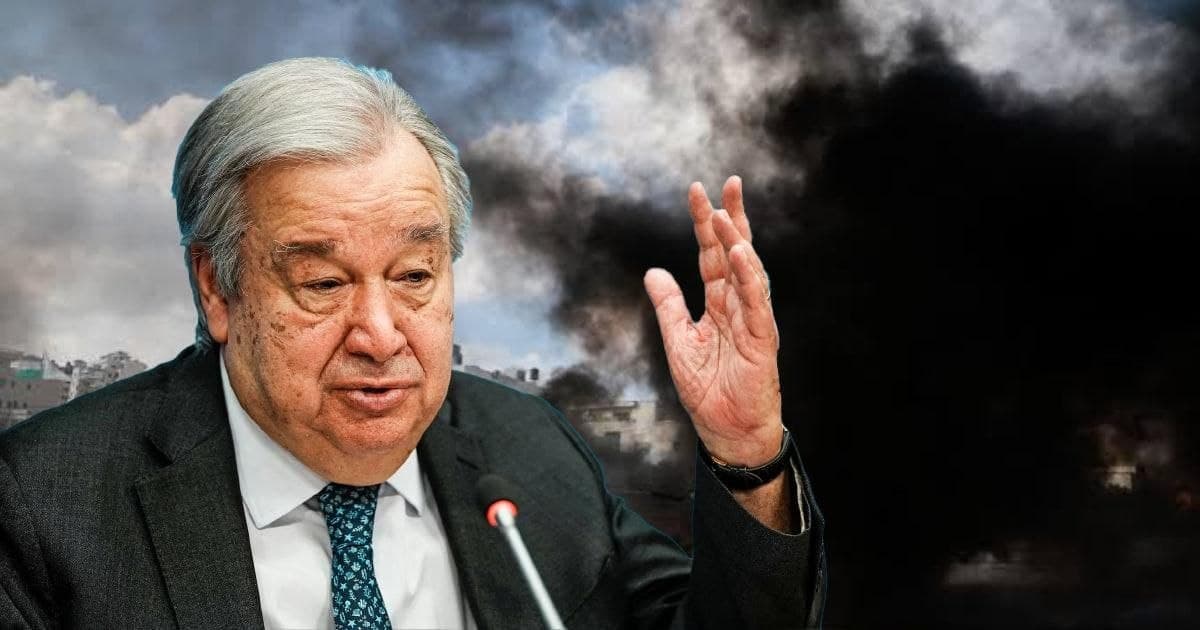
A UN inquiry reveals Russia's intentional strikes on Ukraine's energy systems are war crimes designed to inflict winter suffering.

A computer system crash and human error caused a fatal high-speed train collision in Spain, killing 68 people and injuring passengers.
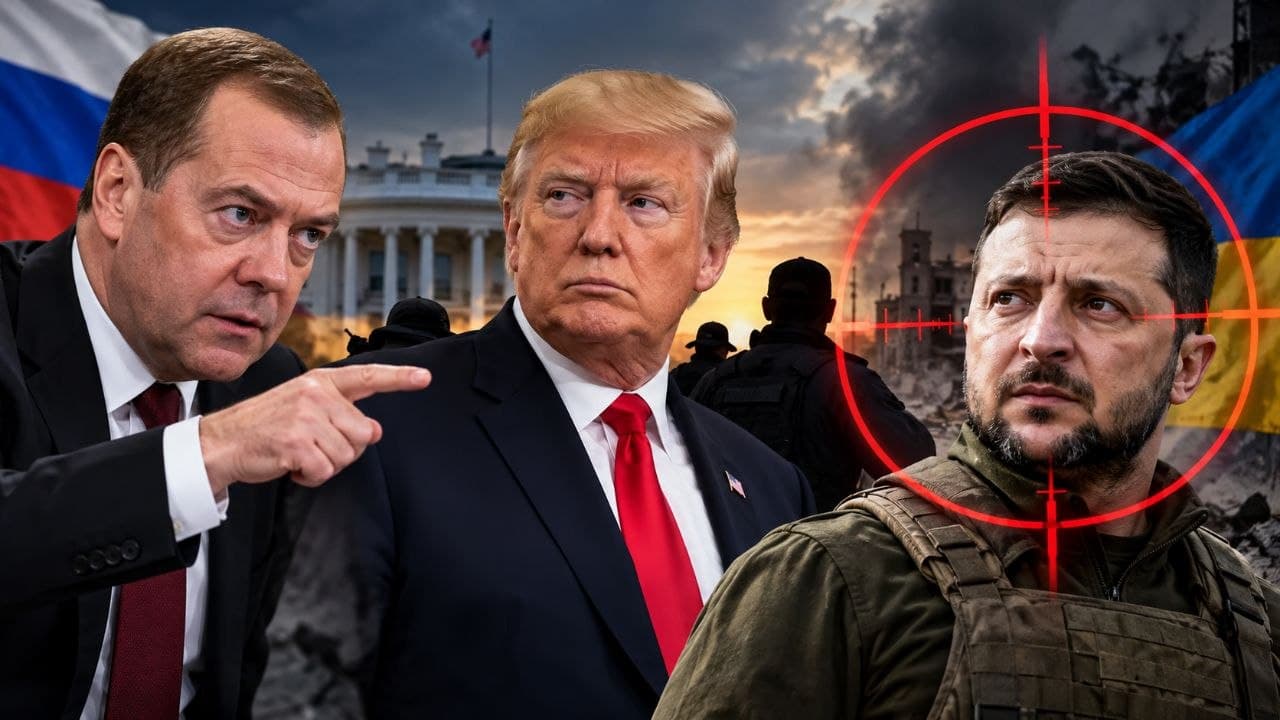
Former Russian leader Dmitry Medvedev claims the Ukrainian president harms U.S. interests and suggests Donald Trump order his assassination.
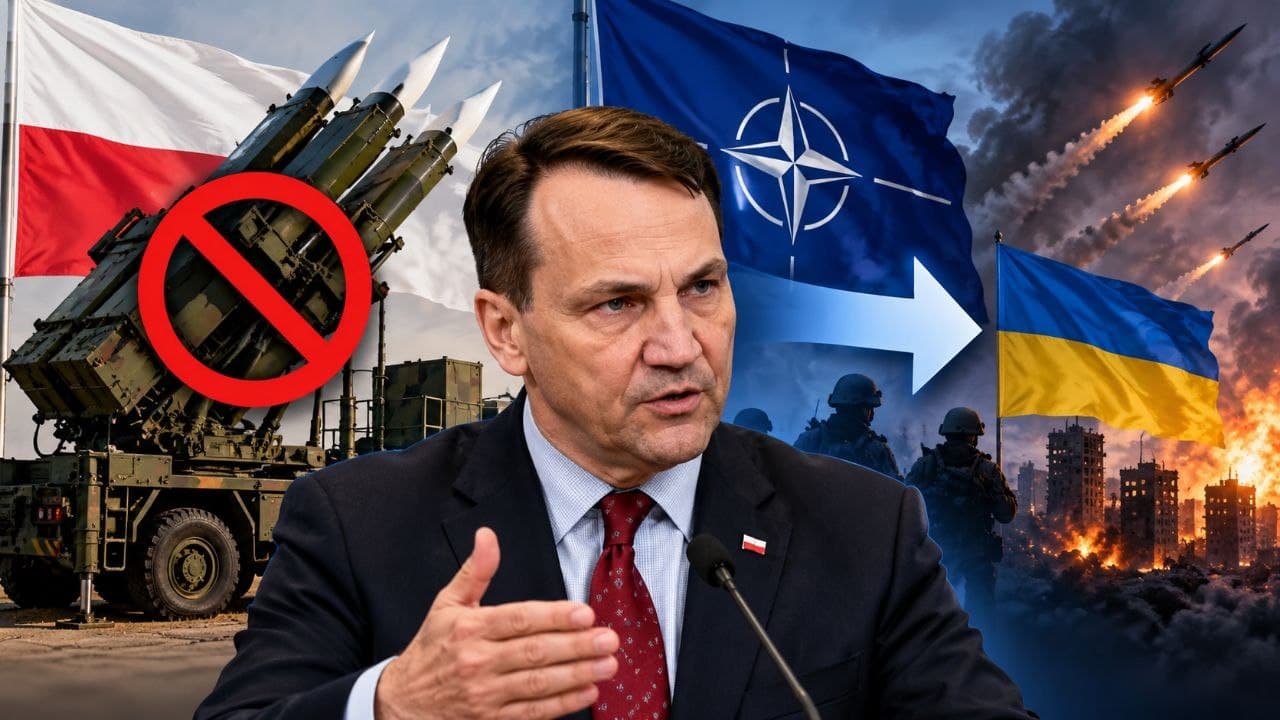
Polish Foreign Minister Radosław Sikorski says Warsaw cannot provide Patriot interceptor missiles to Ukraine due to a lack of resources.
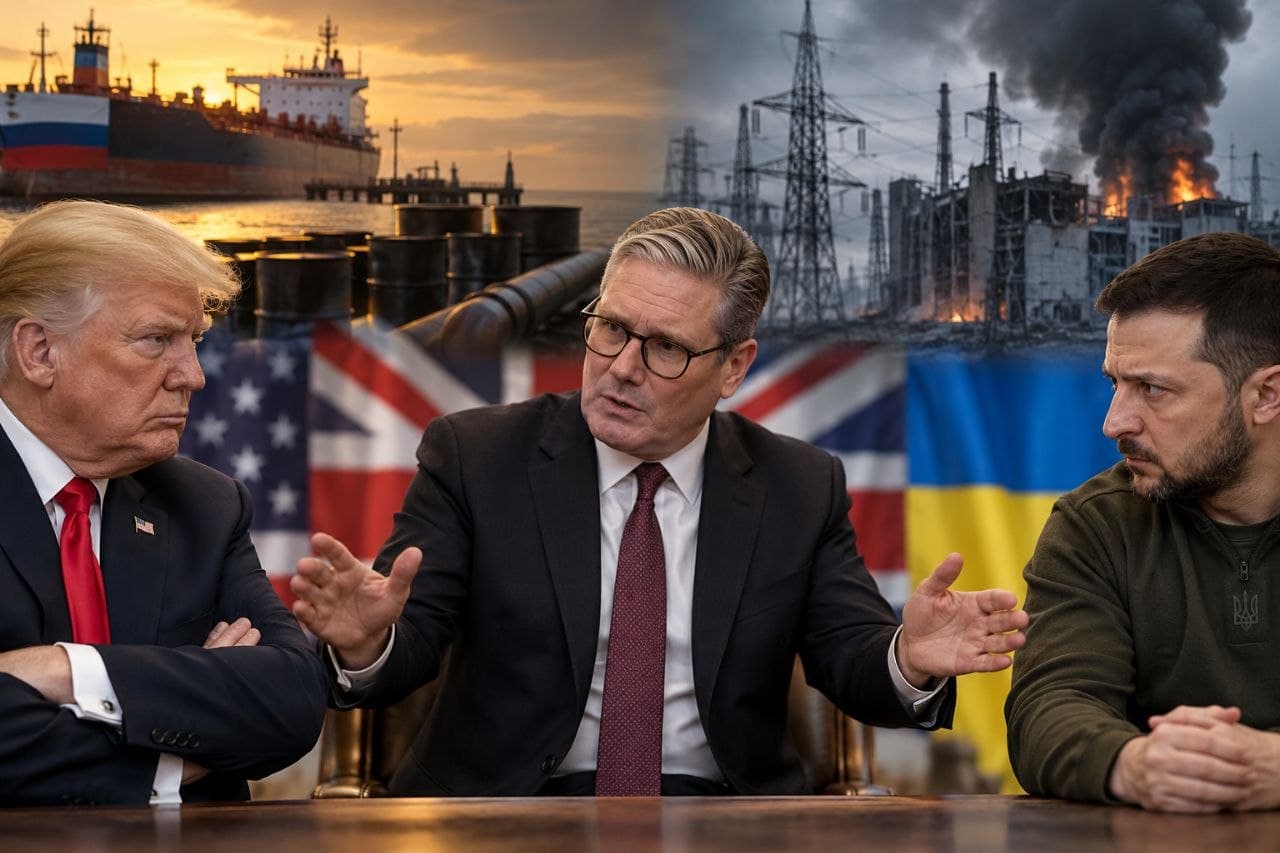
British PM Andy Burnham seeks to repair strained US-Ukraine relations while accelerating military aid to Kyiv as Washington lifts Russian diesel sanctions.
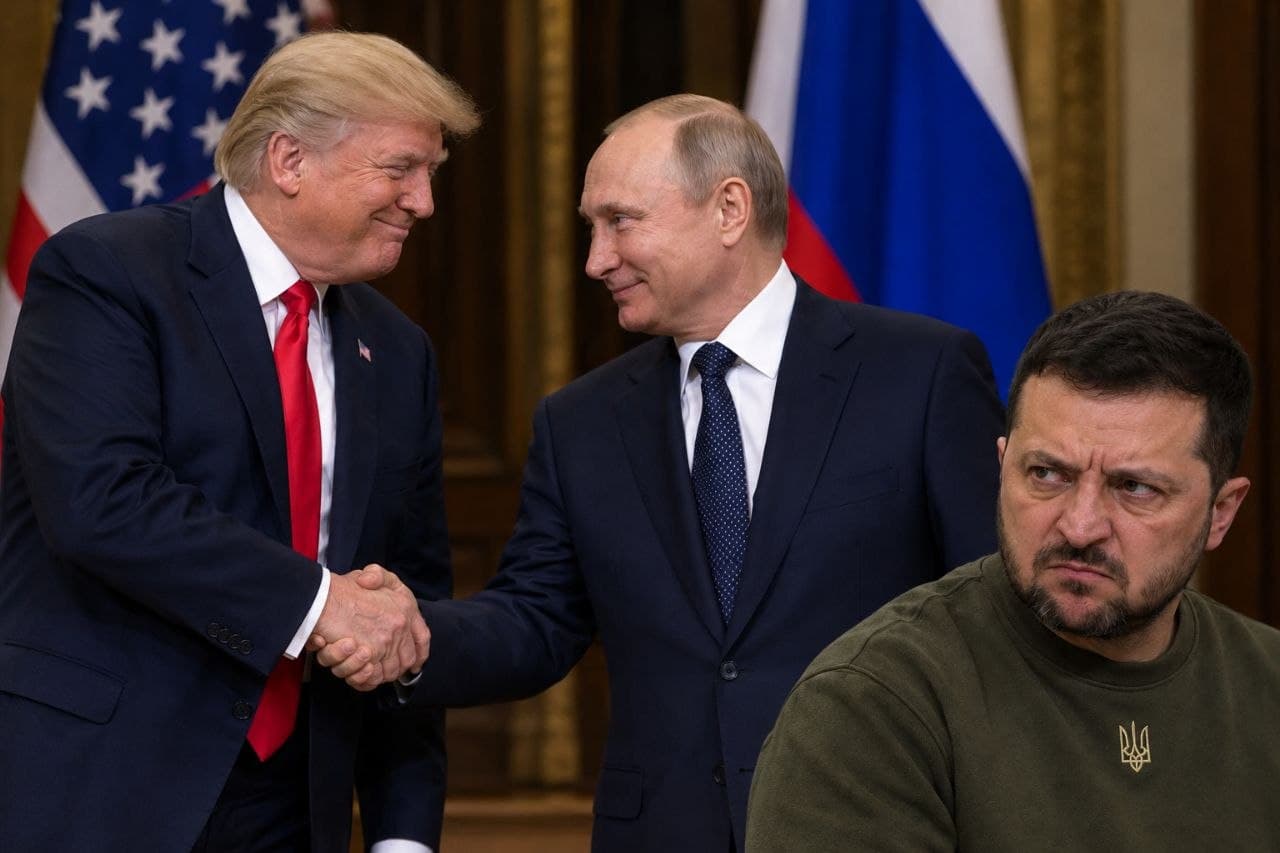
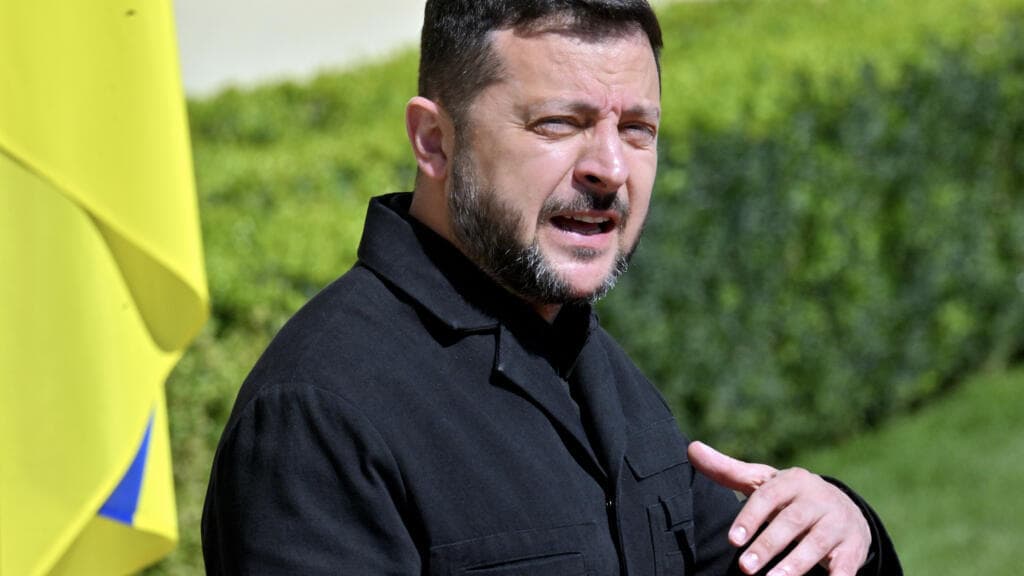
Ukrainian President Volodymyr Zelenskyy says he feels betrayed by a US-Russia diesel deal amid rising tensions and impending US midterms.

Global media highlights four potential contenders who could challenge Volodymyr Zelenskyy if wartime elections take place.

Kimberly Guilfoyle exits her diplomatic post after reports of workplace ethics violations and a financial scandal.

Japanese and South Korean foreign ministers concluded landmark bilateral consultations in Tokyo, formalizing reciprocal semiconductor material guarantees and establishing an automated maritime intelligence link.

India's Lok Sabha passed comprehensive legislation unifying twelve major port authorities under a modernized commercial framework, allocating $9 billion for automated container terminals and direct rail links.

Philippine maritime patrol vessels completed replenishment rotations at Sabina Shoal, maintaining permanent presence despite assertive maneuvering and water-cannon deployments from foreign maritime militia vessels.

Naval forces from the United States, Japan, and South Korea completed five days of complex undersea tracking drills, utilizing P-8A Poseidon patrol craft and nuclear-powered submarines.
Ministers from Nepal, India, and Bangladesh established a joint seismic and hydrological telemetry network across the Hindu Kush Himalayas to provide automated early warning against catastrophic glacial lake outbursts.
Leaders from sixteen Pacific nations presented a draft treaty to the UN General Assembly establishing that exclusive economic zones remain permanently recognized even if coastlines are submerged by sea-level rise.

Leading robotics developers in Japan, South Korea, and Singapore deployed next-generation bipedal and quadrupedal logistics robots across major manufacturing and port facilities, addressing chronic demographic labor shortages.
Administrative agencies across India and Bangladesh deployed open-weight neural translation models, allowing rural citizens to access legal, healthcare, and land title records in twenty-two indigenous languages.

Central banks and major financial exchanges across East Asia completed the first cross-border quantum-encrypted transactions, establishing an unhackable cryptographic shield for interbank settlements.

Indonesia's National Search and Rescue Agency deployed naval diving units and multi-beam hydrographic vessels across deep trenches in the Flores Sea, intensifying search operations for missing ferry passengers.

Deep-water container ports in Vietnam, Malaysia, and Indonesia recorded unprecedented throughput surges as international manufacturers accelerate supply chain decentralization across ASEAN economies.